The Big Story Behind Smaller Faces on Screen
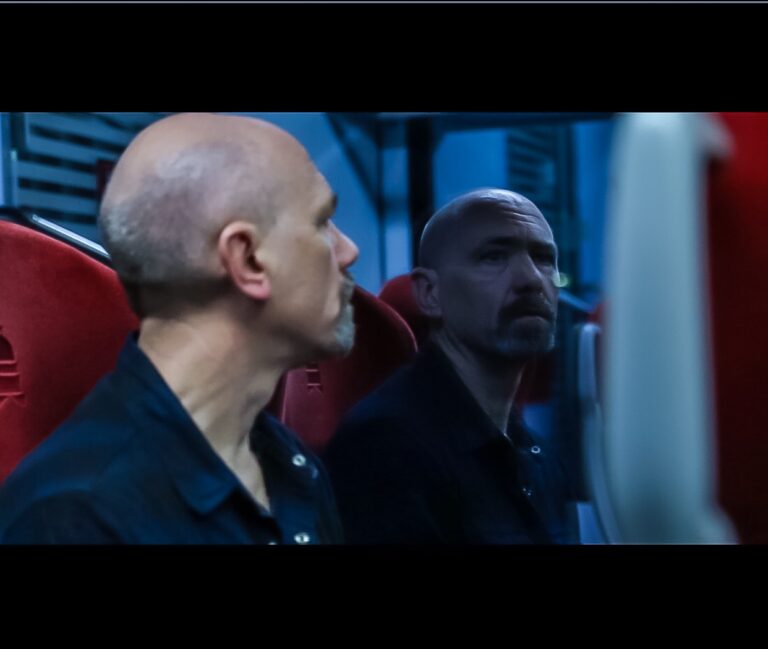
When I first began my filmmaking journey, I was obsessed with the tight close-up—the shallow depth of field, the creamy bokeh, the power of isolating a face until it feels like the whole world. And I still love that intimacy.
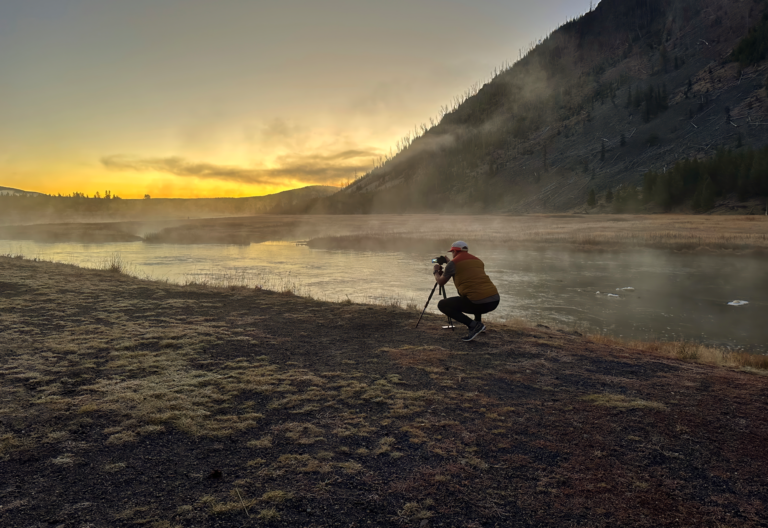
But over time, I found myself falling in love with clean, intentional wides—shots that breathe, shots that reveal relationships, shots where the space tells the story. It wasn’t a conscious shift. Just something I felt evolving in my work.
So when filmmaker and analyst Stephen Follows released new research showing that modern movies are actually framing faces farther back than they used to, it stopped me. Because it mapped a broader industry trend that mirrored my own.
The Data Behind the Shift
Follows analyzed 3,600+ feature films, tracking when faces appear and how large they are within the frame. What he found is striking:
For nearly a century, filmmakers got closer and closer to actors’ faces—peaking in the 2000s, when the average face occupied more of the frame than at any point in film history.
But in the 2010s and 2020s, that trend reversed. Today, faces on screen are significantly smaller than they were two decades ago.
This isn’t genre-specific. It’s not director-specific. It’s industry-wide.
Why are we pulling back?
There’s no single answer, but according to Follows’ study, several forces likely contribute:
- Digital cameras that make wide, low-light setups easy
- VFX-heavy worlds and LED-volume stages that require more visible environment
- Faster production schedules
- Audiences watching on both giant TVs and tiny phones
- Streaming aesthetics blending with cinematic filmmaking
Whatever the cause, the result is a subtle but meaningful shift in visual storytelling. A wider frame changes tension. It changes intimacy. It changes how we read a character inside their world.
Source Credit
This article draws on the research and analysis of Stephen Follows, whose full breakdown—including charts and methodology—can be found on his Substack. His work remains one of the most valuable data resources in filmmaking.